
Manual & movement therapy
Registered Massage Therapy in Thornhill
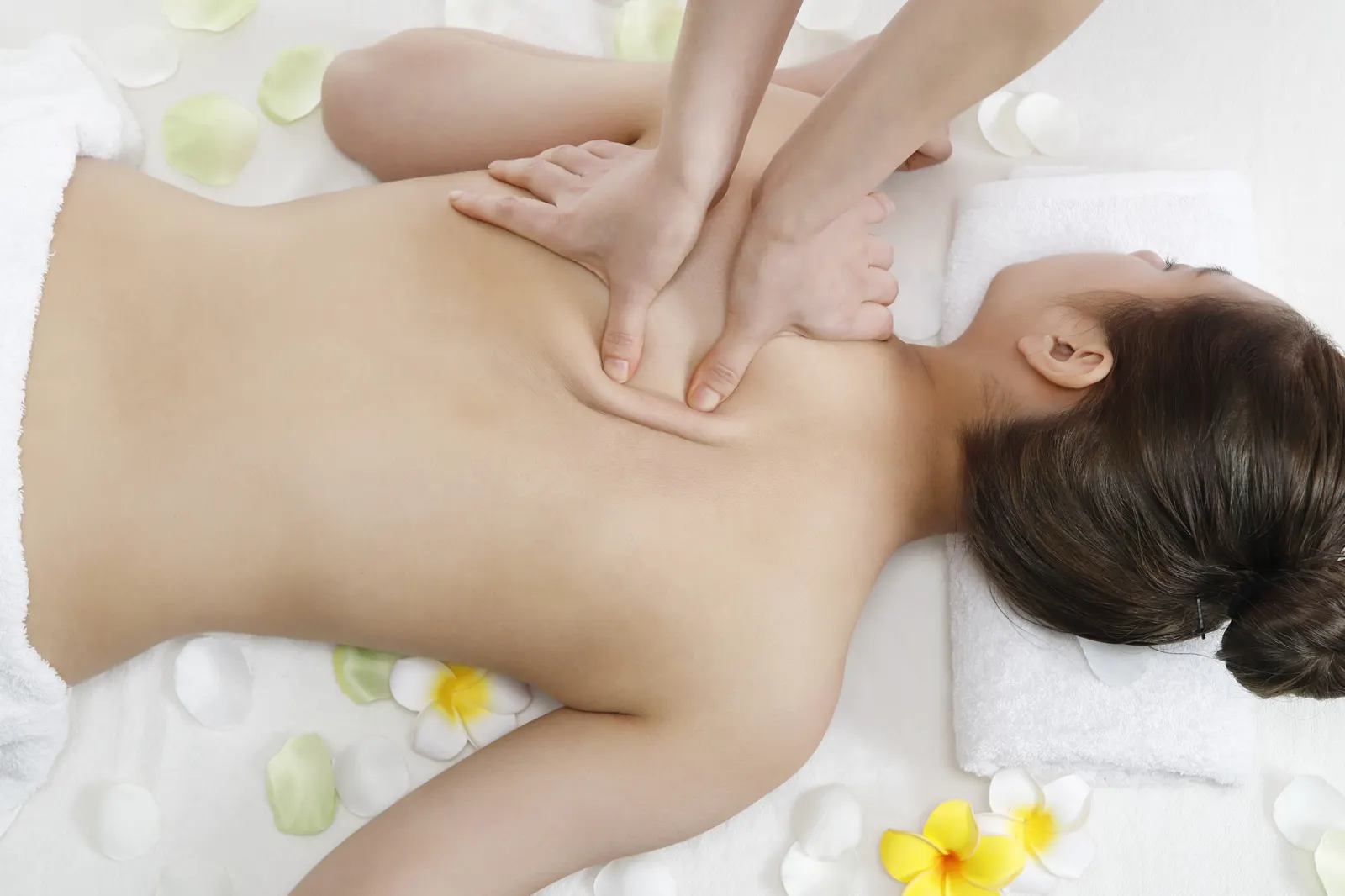
Registered Massage Therapy is the use of therapeutic touch and manual techniques by a Registered Massage Therapist (RMT) to relieve pain, relax muscles and improve physical function. Soft tissue work falls into three categories: soft tissue mobilization or manipulation, acupressure, and stretching techniques.
What is Registered Massage Therapy (RMT)?
Registered Massage Therapy is the use of therapeutic touch and manual techniques by a Registered Massage Therapist (RMT) to relieve pain, relax muscles and improve physical function. Soft tissue work falls into three categories: soft tissue mobilization or manipulation, acupressure, and stretching techniques.
Massage therapy is the manual manipulation of soft tissue to produce effects on the nervous, muscular, fascial, lymphatic and circulatory systems.
Commonly used for
- Muscle tension and pain
- Stress and relaxation
- Deep tissue work
- Pre- and post-natal massage
- Recovery from injury
How to prepare for treatment
- Fill out the online intake form before your first visit and create an online profile.
- If you have diagnostic imaging reports (X-ray, ultrasound, MRI), upload them to your online profile or bring a copy to your appointment.
- Wear or bring loose, comfortable clothing to change into after treatment.
- Avoid eating a big meal 2–3 hours before treatment.
- Arrive on time so you get the full length of your appointment.
- After any treatment, hydrate, get plenty of sleep, and keep any exercise gentle: take a walk, stretch or do gentle yoga. Epsom salt baths are also encouraged for muscle relaxation.
What to expect
Before your first session you fill out a detailed intake form. Your therapist then asks about any health issues, your goals for the session, and your preferred pressure and techniques.
You are given a private room where you undress to your level of comfort and lie on a massage table under a sheet or blanket. Your therapist knocks before coming back in.
Your therapist may use oil or lotion and techniques such as kneading, gliding, rolling, myofascial release, trigger point release and cupping, depending on the type of treatment you choose.
At the end, your therapist leaves the room so you can dress in private, then returns to discuss aftercare and recommendations for future sessions.
The number and frequency of sessions varies with the injury or condition. Our Registered Massage Therapists do not diagnose or practise medicine, nor do we attempt to treat disease. If you are concerned about a medical condition, always consult your physician before starting treatment.
What to expect after treatment
Most people feel relaxed after a massage. In the days that follow, sleep, digestion and energy may improve, and pain and stress are reduced.
You may feel tenderness in some muscles or joints, though not everyone does.
If cupping was part of your treatment, the marks usually fade within 5–10 days. Mild itchiness is normal; keep the area covered, dry and warm.
Feeling tired afterwards is common; it is a sign your body is processing the treatment, so let yourself rest.
Related treatments
All services-
Osteopathy
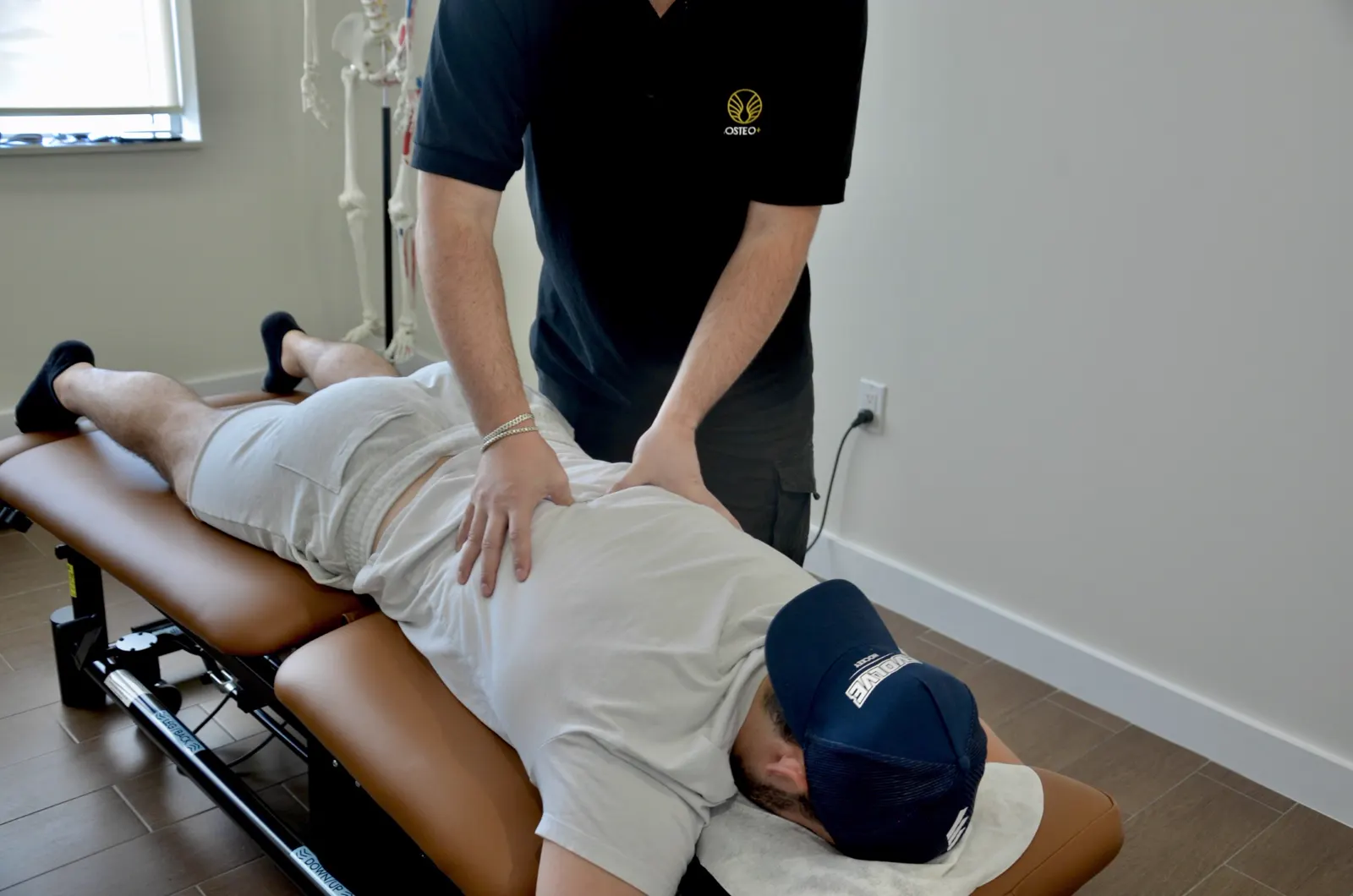
Hands-on treatment of muscles, joints and connective tissue to ease pain and restore movement. From $100 -
Physiotherapy
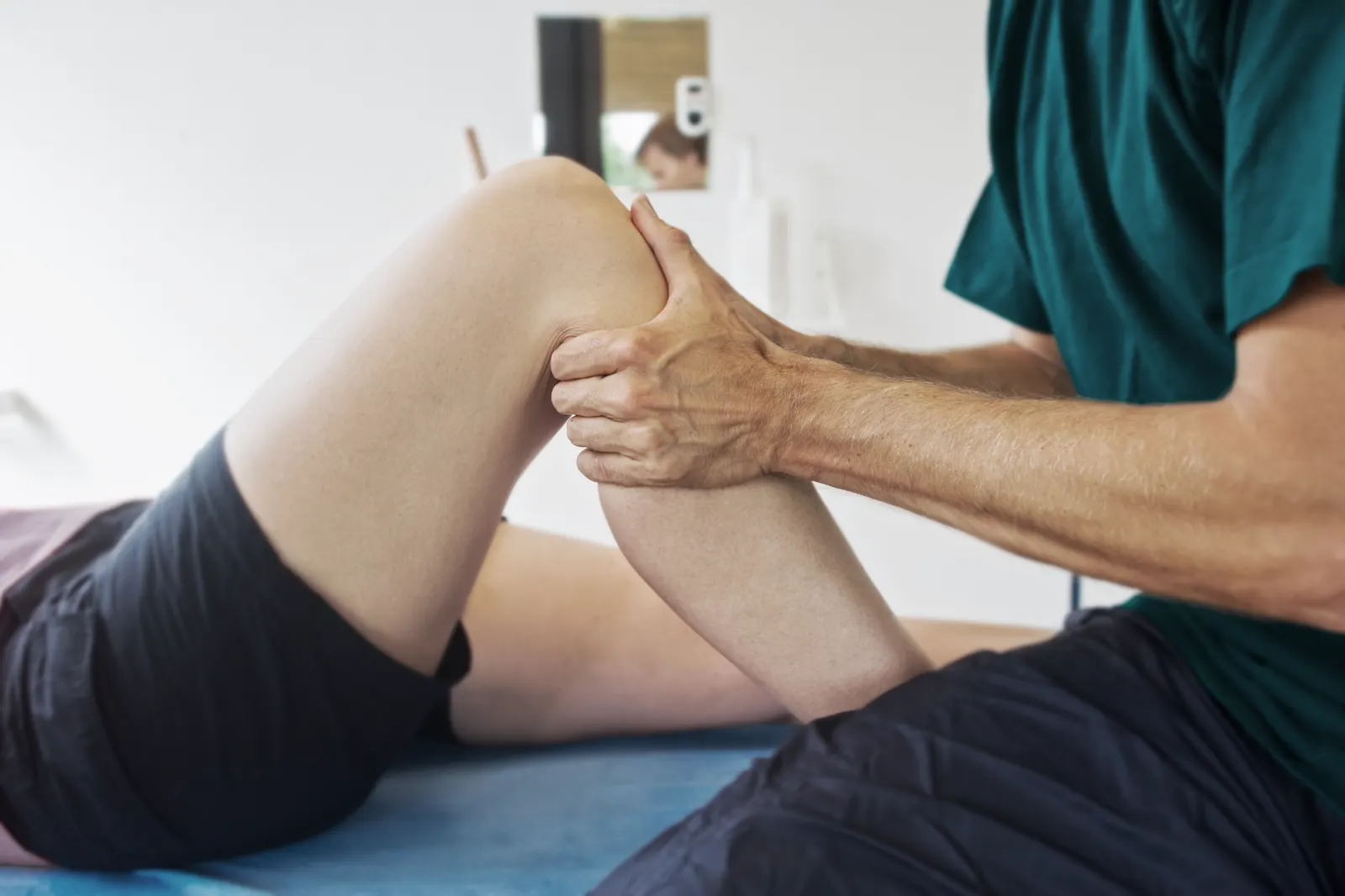
Evidence-based rehab for injuries, post-surgical recovery, chronic pain and movement problems. From $100 -
Athletic Therapy
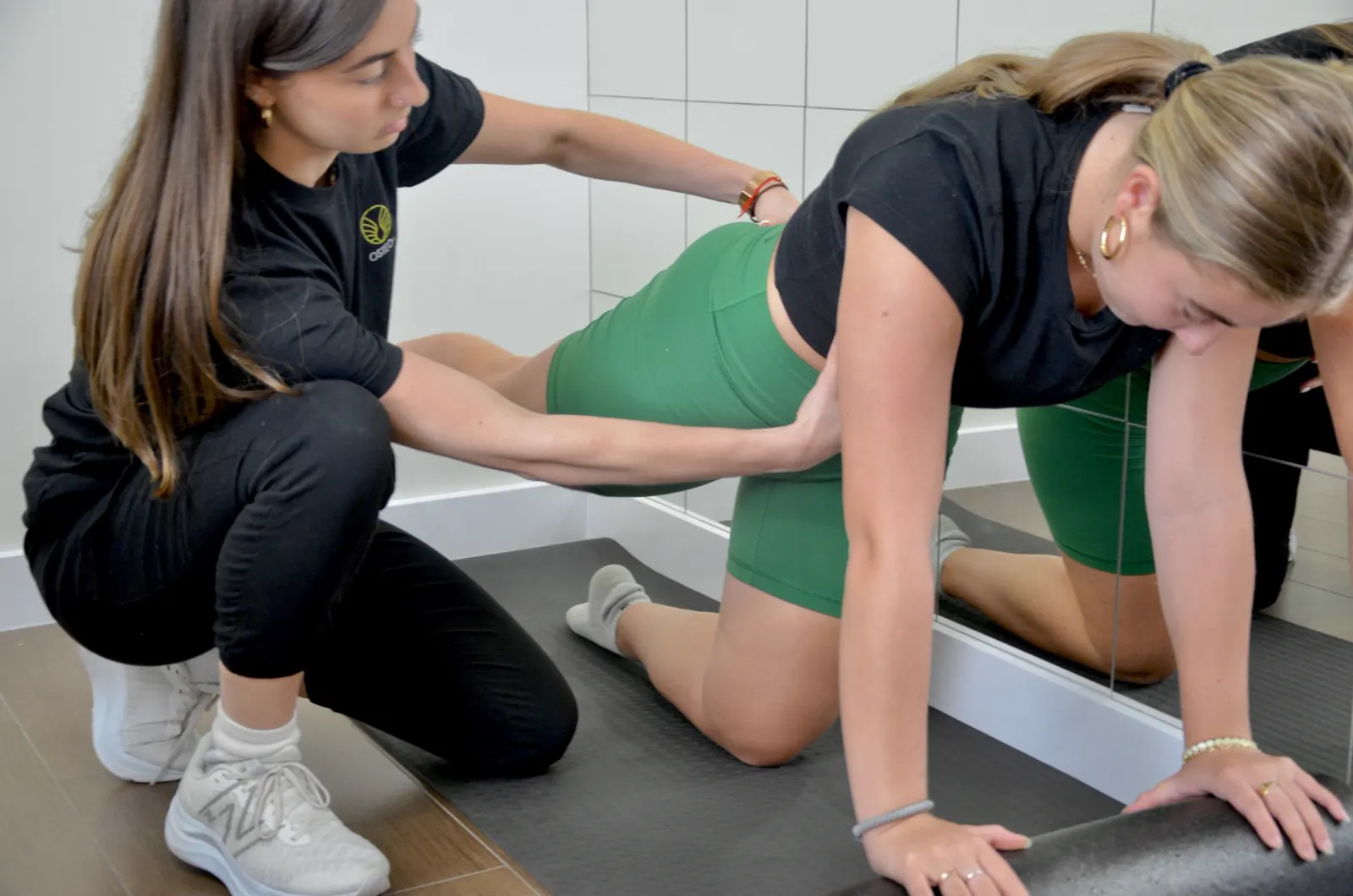
Assessment, treatment and rehab for sport, activity and posture-related injuries. From $90